Don’s Story
Don has Hepatocellular Carcinoma (HCC) – primary liver cancer, or cancer that starts in the liver. In this video, he talks about his diagnosis, getting really sick, and how a liver transplant saved his life.
Transcript
I’m pretty much on my last legs, there’s no doubt about that whatsoever. But I’ve got way too much going on in my life, I’m too busy to die.
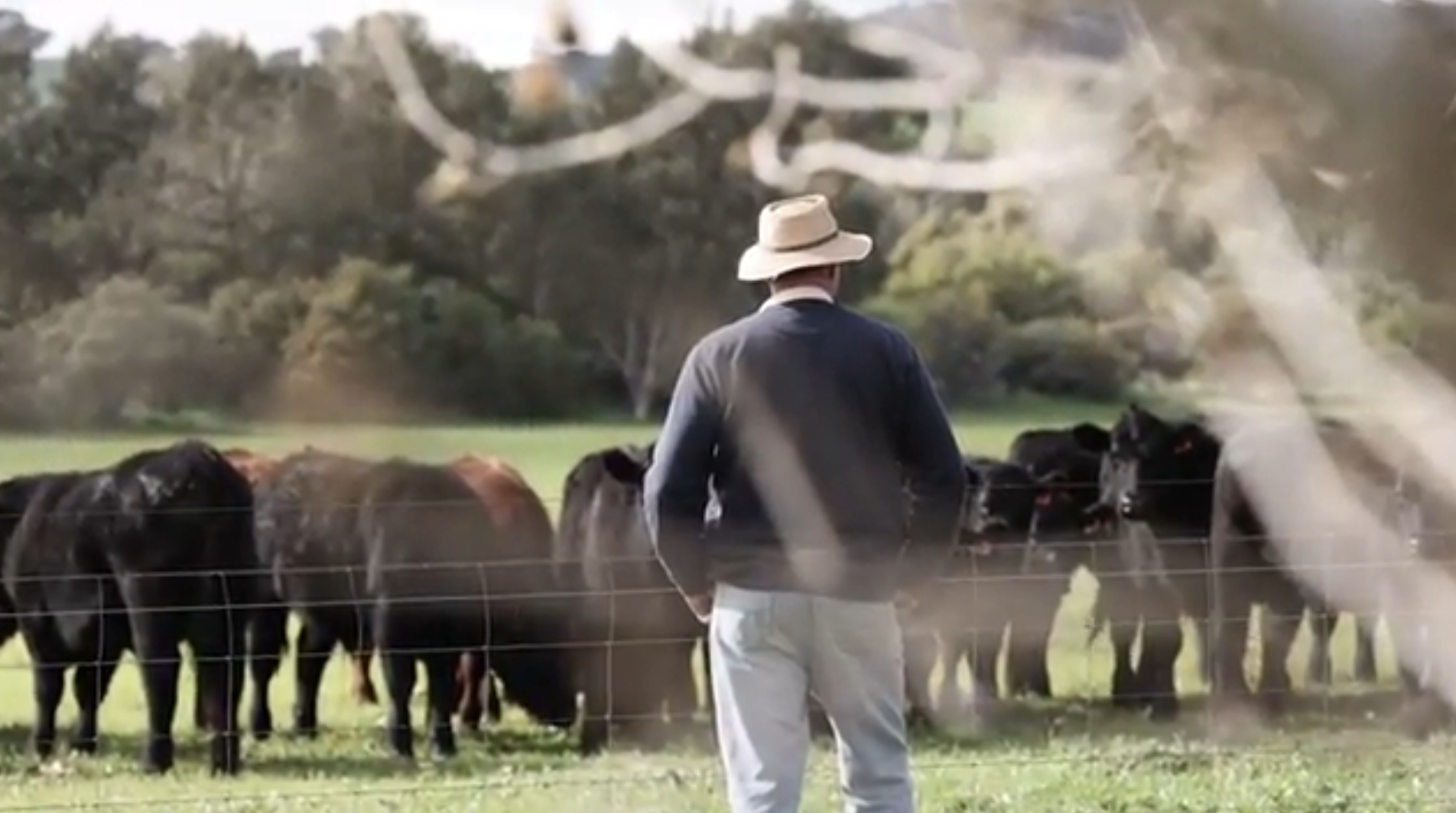
I was born and bred on the North Shore, the northern beaches of Sydney. I’m an old surfer from way back. I came to the country to do agricultural science and I stayed here. My wife and I, we love it here where we are in the Riverina of New South Wales. And we grow beef cattle and we enjoy raising calves and we love living on our property. It’s a great life.
Just started getting tired during the day. I’d always done early starts and longish days and it was noticeably dragging me down. And so I went to my GP and he just started doing blood tests, you know. And the blood tests came back that, Don, you’ve got Hep C. And I’d had it a long time and significant and substantial liver damage had already been done. And I was starting to feel the effects of that.
So I saw a very, very good gastroenterologist in Wagga. Yeah, this was, as it turned out, primary liver cancer, hepatocellular carcinoma. And I had some real problems and it was only going to get worse.
As far as I was concerned after being told you’ve got primary liver cancer, well, it’s fight. The glass is half full. It’s not half empty, it’s half full. So go home, do as you’re told. Rely on the medical professionals and the medical science. And yeah, it was downhill, don’t worry about that. But trust in what you’re being told and go and do as you’re told.
I’m pretty much on my last legs. My mobile rings about 10 o’clock at night. And I thought, who’s ringing me? But I answered it, even though I couldn’t be bothered doing anything. And it was very simply, ‘Is that Don?’
‘Yep.’
‘Don, it’s Mike from RPA.’
‘Hello, Mike.’
‘Don, you need to get to Sydney by 6am.’ I said, ‘We can do that.’
I went in, had my operation about midday. I still remember the clock in the theatre. And woke up in intensive care next day at 10am on a Saturday morning. I knew straight away that I was better. I’d gone from one day not being able to eat, not being able to talk, not really being able to do anything, because you’re so physically shot to pieces by that stage your body’s had it.
All of a sudden, wanting to eat, wanting to talk, having depth in your voice. It’s just marvellous where science has got me.
I don’t sit here doing this little interview unless there was a liver donor. It’s as simple as that. Yes, it’s tough to get your head around. But I think Australians in general are reasonably pragmatic about life and death. And I think that the idea of organ donation, which saved my life, is something that we just have to normalise around the dining table from a young age for children, just within the family environment, so that the idea of organ donation and registering to be an organ donor is just something you go and do, because it can change lives.
And the key for me was, at my age, at that age I was 57, I felt that if I died, and I was going to very soon, that I’d have let the family down, because I felt I was still way too young.