Tony’s Story
Watch Tony’s story below. He shares his journey with HCC (the most common form of primary liver cancer), from diagnosis to what it’s been like navigating treatment and day-to-day life. To learn more about liver cancer, understanding your liver, finding support, and staying well, visit Liver Foundation at www.liver.org.au or speak with an expert liver nurse about primary liver cancer by calling 1800 841 118. We’re here to help.
Transcript
Tony: Why me? I was somewhat bewildered at getting the news of having liver cancer. The grief that that provided was extreme. And to get over that grief, we both decided that it wasn’t going to define our life, the fact we had this news. We were going to keep moving forward regardless.
My fatty liver came about through a doctor health check, and they found that I had a fatty liver, and you know, there was nothing they could do at that time. They didn’t really, weren’t aware of the symptoms, what it would lead to. So we had that for probably 38 years, which led to cirrhosis.
After being diagnosed with a cirrhosis of the liver, we did a number of CAT scans and MRIs, which showed nodules on my liver. So, I was then suggested and recommended to go to RPA, to a team there of liver experts. And we went there for a couple of years without any symptoms whatsoever showing. No idea that we were even looking for a tumour.
We were sitting under the deck and we received a phone call from RPA, from the professor. And there was a small problem and she required us to come and see her.
We went to Sydney. There we found out through the professor that I had a HCC, which was a common type of liver cancer. And they had world-best practices and she assured me that there will be a good outcome. She put her hand on my shoulder and said, ‘You take it easy now and we are going to take care of you’.
After the diagnosis and the phone call, I wondered to myself, why me? You know, no symptoms, I was quite healthy. And my heart dropped. You just wonder how long you’ve got and what you should or shouldn’t be doing, what affairs you should get in order. And it was forever the anxiety and that stress that they created, that you need to alleviate or take out.
Kay: It was a shock, but I just went into organisation mode.
I was his support and I made sure all his appointments were done. As soon as I got the referrals, they were all organised. I made sure he ate properly.
Tony: First I had chemotherapy and then a couple of weeks later, they weren’t sure they could get to the tumour under my ribcage. And then one of the professors at RPA suggested that he would be able to get it. And through the team having a talk, they allowed me to go through what’s called microablation.
I had microablation twice. Each time there would be a three-month delay in having MRIs or CAT scans to see how it was going. Then it came back on the fringe of the last one and I had two small doses of ray. The ray now has reduced the size of the tumour. And I think due to the lifestyle and the team that I’ve had working on my behalf for me, is the main reason why I’m in such a good recovery mode.
So the outcome now is looking pretty good, but I can’t stress enough that there’s no feeling, there’s no warning. It’s something that you have and get. And you don’t even know that you’ve got it.
So maybe six monthly or 12 monthly check-ups and blood tests or whatever, I think is the way maybe you’ll be increasing your chance of survival as this is never going to go away.
I was lucky enough to have my wife and others, a huge amount of support. Those who haven’t that support, I feel for them, but there is this vital link through the nurses and the Liver Foundation that will provide maybe and fill that void.
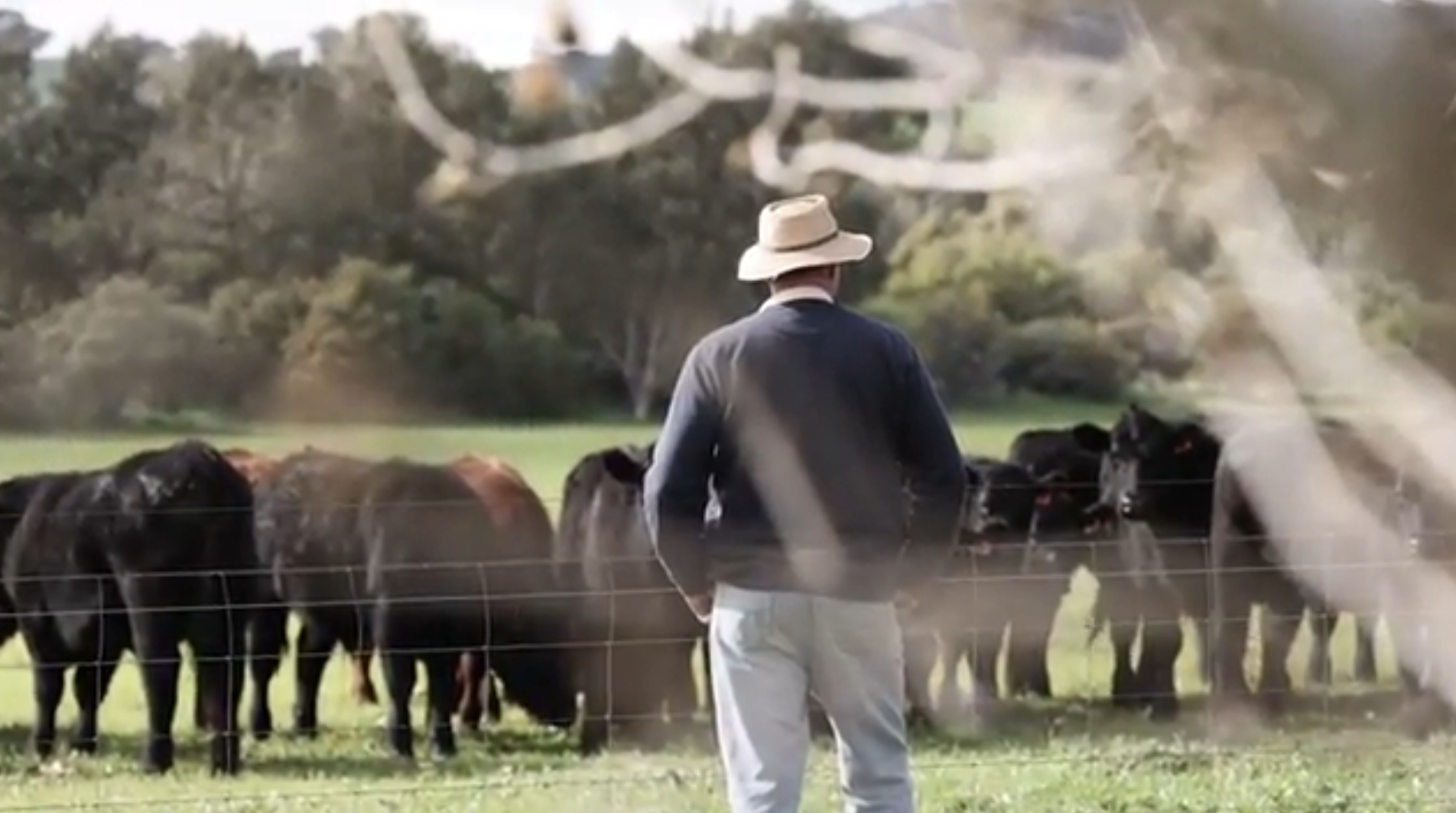
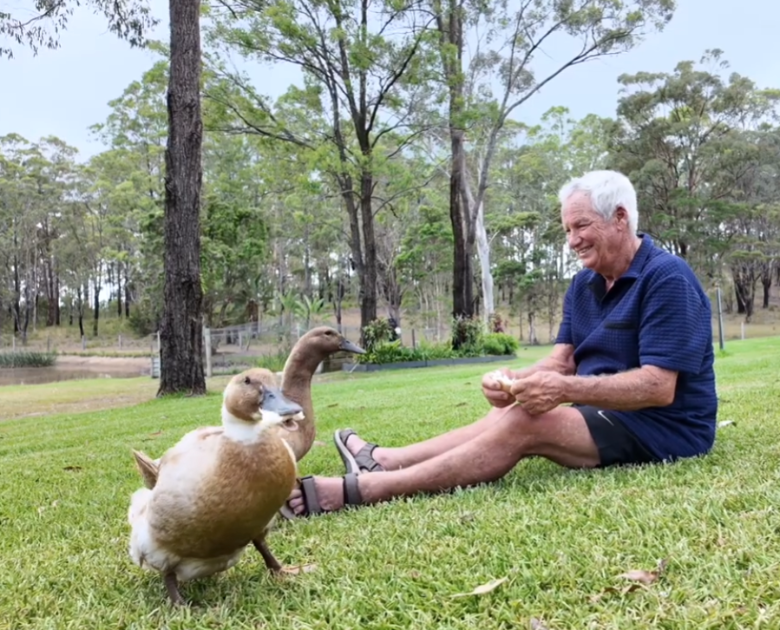
My life started as a commercial fisher where I spent a lot of time away from home and hours at sea. However, now we’ve moved to a farm, which I came from a farming background. We have our own plants and flowers. We have our own chooks and ducks and find ourselves so much peace and happiness in doing, enjoying our lifestyle that we have today.
Kay: And I’ve made sure we kept a sense of humour around. So that’s the main thing. You’ve got to laugh every day and keep positive.