
My PBC
Welcome. We are so glad you are here.
At Liver Foundation, we understand that living with a rare and chronic illness can be isolating.
On this page, we can connect you with a community of people who understand and have their own PBC journeys to share, and to give you information to help manage your PBC by making the most of your clinician visits.
Workshops for People with PBC
Liver Foundation will be hosting in person workshops for people with PBC in Sydney, Melbourne and Perth as well as three online workshops later in 2026. Click here to learn more and to register.
Please take the time to explore the information on this page, sign up for our newsletter using the form below so you don’t miss out when new resources and patient workshops are released and take a few minutes to watch the stories of other people living with PBC.
Sign up and be the first to hear about new information and resources.
If you are looking for more information on PBC itself, please visit our PBC page.
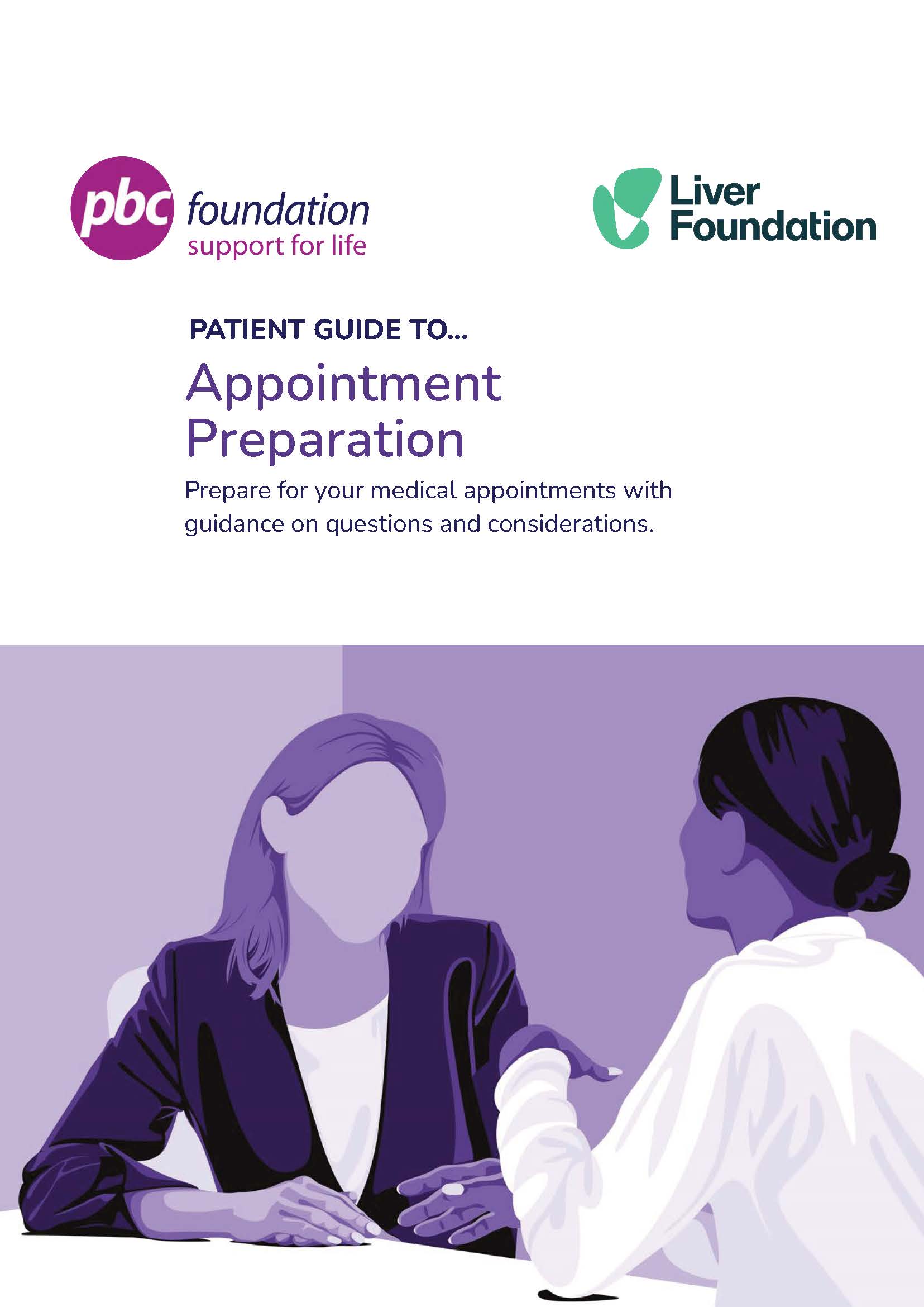
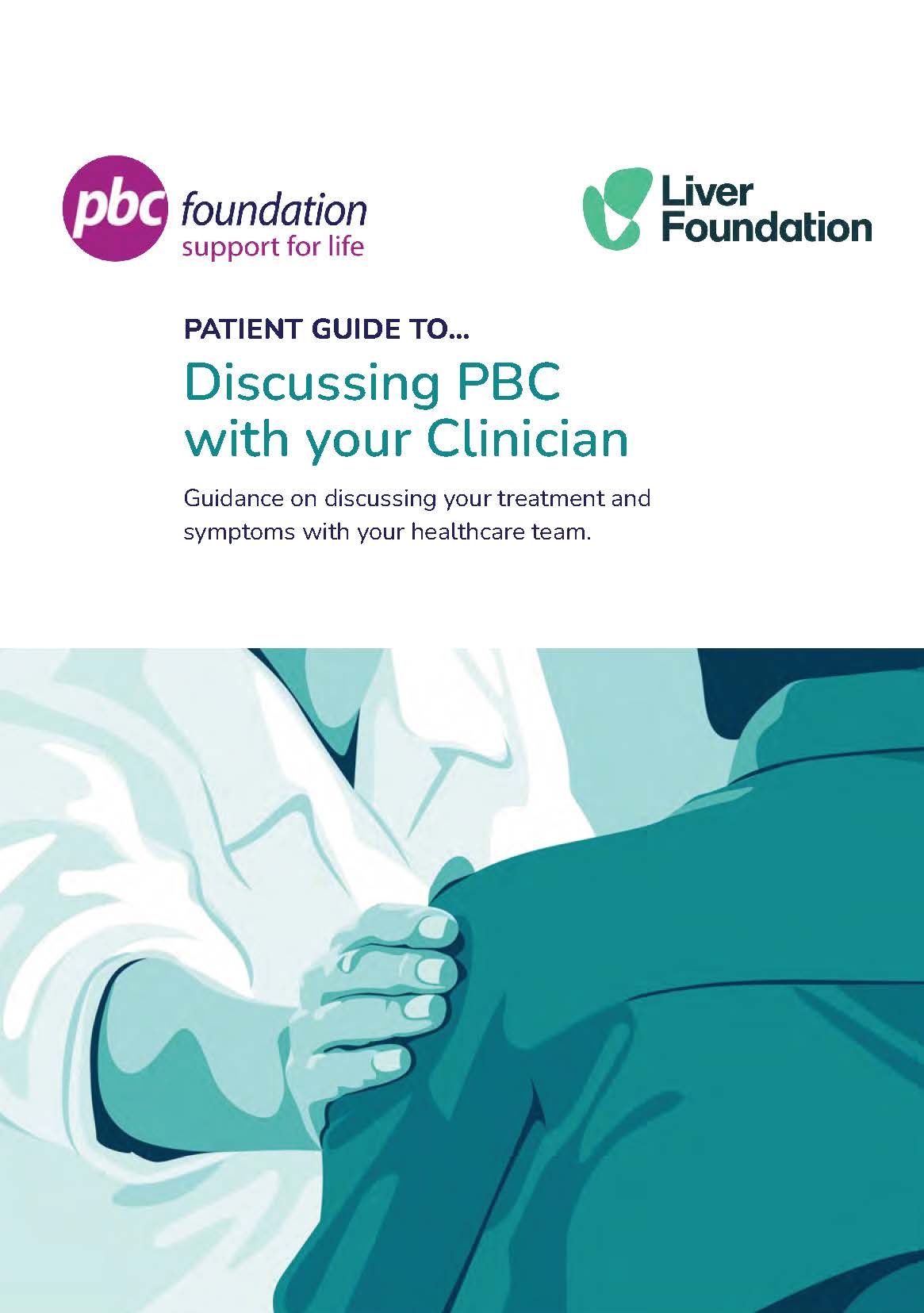
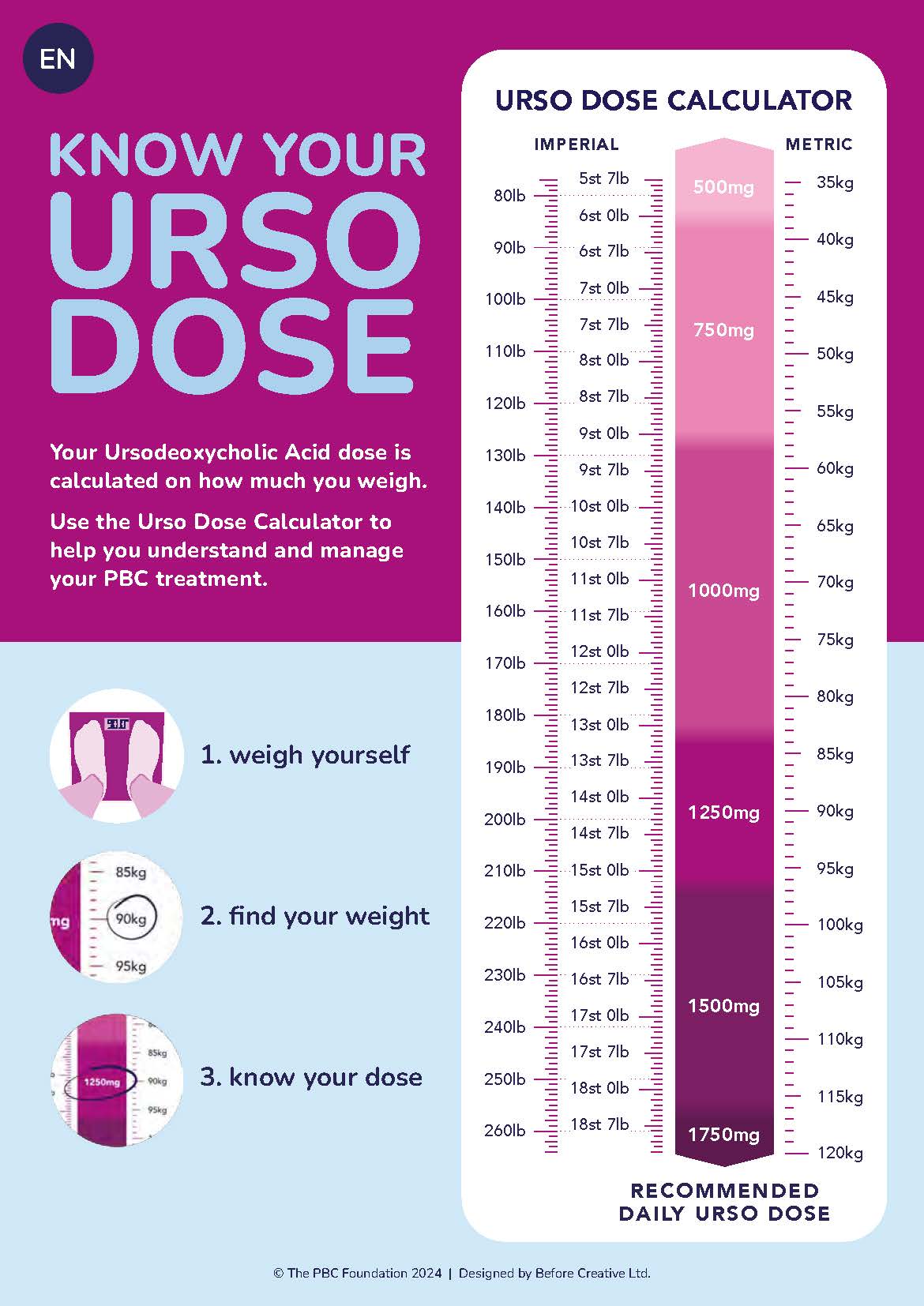
These resources help you prepare for your visits with your clinician and understand your Urso dose.
Living with PBC
Meet Bev, Linda, Karen, Sue and Melissa as they share their story of living with PBC.
Transcript
My name’s Bev, I’m from Queensland. I’m retired. I’ve got lots of grandkids, they keep me busy.
I like cooking, getting involved in the community. Sometimes we go caravanning with friends, other times it’s nice just to be on your own. You can have your own timetable then.
There’s some beautiful places in Australia, and that’s about me. I was diagnosed 28 years ago, so I was lucky that the GP actually did the test. When I was diagnosed with PBC, I really didn’t understand it.
I’d had lots of liver function tests in that time, but no-one ever triggered. But the ALP was elevated every single test. I actually forgot I had PBC.
And I just carried on with my life. I was in a happy place and I didn’t have any symptoms. They told me I was an alcoholic and a smoker, even though I said I wasn’t.
And I was very anxious because no-one would believe me. Fatigue has impacted my life big time, just the last three years. Sometimes I feel that fatigued, that I’m looking after the grandkids and I’ll have to ring up and say, come and pick them up early.
I find in the afternoons I’ve been rejecting nanny naps, but this tiredness just comes over you and you know you’ve got to have a little rest. I’ve got dry eyes, dry mouth, and I used to get a bit of an itch. My liver function tests at ALP were sky high for 28 years until last month when it actually came down to normal, first time ever.
I’m on a new drug. I credit it to that. I was elated.
I just beamed. I couldn’t stop smiling. It was a great result.
I’ve reached out to the Liver Foundation and they’ve been wonderful and given me lots of resources. There isn’t a hepatologist nurse at my local hospital like the Liver Foundation have where you can just call them. Maybe it’s just a simple question.
My feet are swelling. Is this part of PBC? And you’re not wasting everybody’s time that way, but you are satisfied. You’ve got more confidence.
I’m still learning. There are new trials out there and I’d like to participate in some of them if I’m suitable. Next for me, I’m heading in the caravan to the Kimberley’s.
I’ve always wanted to go there. That’s on the bucket list. So I’m really looking forward to that.
Might even buy a pearl, up in Broome or something. It’s going to be fun.
Transcript
My diagnosis came in 2023 and it took some time but initially it was a surprise. I went to the GP just to get a random script. She said to me, I don’t see you very often and because of that I’m going to send you for some blood tests.
I didn’t think anything of it. I probably had the form for a couple of months and then eventually went and did the bloods and again wasn’t expecting anything so I didn’t didn’t do anything, didn’t think about it until I got a phone call saying the GP wanted to see me. She said to me, look your liver function’s deranged.
Did another test, found the same thing and then she said, look I think I’m going to send you to a specialist and that’s kind of how it all started. He said, look this is what I think you have. Don’t google it because nothing you’ll read is good.
So he handed me a post-it note with PBC written on it and of course by the time I got to the car park I was on the phone googling. The initial research told me that I could be gone in 10 years. That was frightening until I did a little bit more and that turns out that that’s pretty outdated and there’s a lot more hope now.
Initially there was a lot of anxiety around what it actually meant and more so what the future was going to look like and even when I went back to my GP she said, I said what do you, so you’ve got PBC and I said yes and she said is there anything they can do for that now because when she’d been studying there wasn’t really much in the way of treatment. To me on a day-to-day basis it’s probably not that different. I do sometimes wake up in the morning and feel like I can’t do anything when the fatigue hits me but I have certainly taken a lot more care of my health.
I’m probably healthier now than I ever was. I changed my diet fairly significantly but at the same time I’m still eating most of what I like. I just cut out a lot of the takeaway.
I stopped drinking alcohol. I never drank a lot. I wish I’d been directed to a website like the Liver Foundation.
I felt a lot of anxiety around what the diagnosis meant, what the future was going to look like. I think learning that there’s a lot of research in the liver in particular and in PBC itself. There’s new drugs coming out.
There’s a lot of hope in that that it’s not going to be all all bad. If I had a perfect day for me it would be somewhere outdoors in a beautiful spot, by some water and just painting. Just painting what I see.
Transcript
It was never a case of why me or how did this happen, it was more how can I plan for the future so that I can see my children right through, especially my five-year-old. I thought I really want to get her to 18. I’m a nurse. I’ve been married for nearly 40 years and I’ve got four adult children and four small grandchildren.
I love literature, that’s my big passion, books and literature. I’m a classical music tragic. I love ocean swimming.
Yeah, I enjoy my life very much. I have PBC and I was diagnosed 22 years ago. I was 38.
I’d gone to the GP for an unrelated reason. She’d run a blood test and rang me the next day and she said your LFTs are deranged, the word they use. Do you drink? Have you been sick or do you take drugs were the questions she asked me and when I said no to all those, she said straight away I think you’ve got a rare autoimmune liver disease called PBC.
She said she didn’t know anything about it, she’d only ever seen one other woman with it. I could go into liver failure. I had to be referred to a gastroenterologist, but she really couldn’t tell me much about it.
So, it was more of a shock because I’d never heard of it. I said to her how can I, I’m a nurse, how can I have a disease I’ve never heard of? The psychological impact was more about how was I going to manage. For the first seven years I forgot I had it almost apart from the fatigue but then after seven years I started, I had a year I felt absolutely terrible and things started to deteriorate after that and I progressed quite a lot, progressed to cirrhosis and I was put on the trial, one of the trial drugs which I was on for seven years and that really stabilised me and the specialist thinks really saved my liver from failing.
I was working as a nurse on a stroke ward at one of our major public hospitals in Melbourne. The fatigue was terrible, it’s almost like you’re wading through water with weights on your legs, things like muscle aches. I’ve got quite significant dry eyes and dry mouth and I have developed cirrhosis, so my main issues are related to that.
You think are you, am I exaggerating how I feel or, but then my doctor said you need to stop working, you’re really sick. Now is a really, I’d say to be optimistic. There’s a lot more treatments available, there’s a lot more known about it now.
I try and do a lot of reading and exercising, yeah and I do find that really helps. I know they see all the literature about PBC now but yeah certainly walking and riding an exercise bike and getting out into nature, trying to have a swim. I mean I have been pleased I’ve been able to get back into study.
Things take a bit longer, but I haven’t studied for a long time so that’s been a bit of a win for me. Because she was only five it was just such a shock and they said you may get liver failure, you might end up with a liver transplant and I said to my husband we have to get Freya, my youngest daughter to 18, that was my big aim and now she’s 27 and yeah it’s just been thrilling to watch them all grow up and get to where they are, and they have been instrumental in supporting me and my husband has been amazing.
Transcript
My background is that I’m a nurse and I’m married and I have a grown-up son and also a very naughty dog who is a Chihuahua Jack Russell and she has us wrapped around her little finger. I love to sing as well, I’m in a small community choir and I think that’s my unpaid therapy really. My PBC journey started as a diagnosis two years ago, my liver function test had started to increase bit by bit and I was also feeling incredibly tired.
There came to a point where I thought no I really want to sort out the deranged or the abnormal liver function test, it’s worrying me and I was starting to get a bit of an ache around the liver area. I went to see my doctor and she asked me to go and have some bloods done and a scan and they came back. She was looking at them and thought they seem like PBC but I will refer you to a gastroenterologist to be certain.
On the day I saw him I’d already been a nurse, had started to research PBC and I did a trend analysis of all my liver function tests and just show him that they’d gone up and quite substantially in the last three months. He did a liver fibro scan to check the stiffness of my liver, did some more bloods and they come back that I was positive for PBC and he said you’ve got PBC it’s only mild you’ll be all right you probably live out you know you live to old age and you won’t even die of PBC everything will be fine and sent me on my way take these medications they will stop the PBC and you’ll be fine. So that was it and my journey from there was very much traumatic.
Each day when I wake up it feels like I’ve got varying degrees of hangover. My legs feel like lead weights, I feel like I’ve got a weight on my head and that’s when I have really really severe days. One thing that really has upset me and has an impact on my quality of life is brain fog.
The fogginess in the head as well and not being able to focus, not being able to have that cognitive thinking is really an issue, especially the fact that I was nursing. That lack of thinking, the critical thinking in a dynamic clinical environment was needed, you know that’s what you did as a nurse. So I had to leave, I had to do early retirement.
It’s not just the physical that you need to look at, it’s the psychological very much so. This is where I found was the issue. Having a background of depression, this really did you know throw me and it had a huge impact on my mental health and also the impact on my immediate family and understanding what I’m going through.
It was like a grieving process that I was going through. This is a new part of my life, I need to live with chronic illness. So I came to a point of acceptance but it did take a long time.
I started to accept the fact that I do live with a chronic illness and it doesn’t define me or who I am and I’ve managed to do quite a lot of activities despite having PBC. So I’ve been snorkelling in the Great Barrier Reef, a bucket list for me and I’ve ticked that off and I’ve also done the climb Bluff Knoll. I was exhausted but exhilarated that I’d managed to do some of the things that I wanted to achieve despite having PBC then realising there is a life after PBC and I want to live it and enjoy it.
Transcript
I was just sitting there because I had no idea what was PBC. Like, okay, a liver disease, an autoimmune disease, I didn’t know it existed. So when I told friends, it was like, oh, so it must be your drinking or your diet.
That was the assumption straight up. And it’s like, but you know, I don’t drink. I don’t eat a lot of takeaway.
I love to cook. I’m a mother of two adult boys, three dogs, 13 horses in total. But yeah, life is hectic for me.
And I work full time as well. We do a little bit of racing, breeding, and a little bit of competition. The rodeo is my latest passion.
I’m a bit into the adrenaline side of things. I haven’t competed as yet in the rodeo, but I enjoy going and watching the bull riding. As a joke, I went with my girlfriend to have a heart health check at the shopping centre.
And I’m making jokes, thinking that she was going to be the worst one, but it was me. So I was the one that set off the alarms, especially with the cholesterol. I went to the GP the following day and went and had a full blood test.
And that’s when my journey started. Living with PBC, I try to keep things normal. I was never a big drinker, so I don’t really worry about drinking alcohol or missing out on alcohol.
Just controlling my urge for seafood, which is my favourite. I cannot have a lot of that anymore. It’s just the tiredness and the fatigue that gets me some days.
I just try to push through it, because I didn’t really relate that to PBC at the start. Some symptoms, like my hands are swollen, I can’t get my wedding rings on, or I can’t get them off. I get odd symptoms of swelling in my calves.
And just walking sometimes is painful. I’m just trying to live each day as it comes, and just tackle any issues that I get health-wise along the way. I’ve been lucky with my GP, I guess, because he was open to being educated on something he knew nothing about.
He didn’t know it was an autoimmune disease. He’s been lucky to receive information from my gastroenterologist, so it’s educated him. Someone with a diagnosis, I would recommend not believing everything that you read on Google, on the internet.
Because before I found the Liver Foundation and the information from reliable sources, there was a lot of misinformation. And I started sort of freaking out a little bit, going, oh, am I going to die from this? Do I need a transplant? Because that was all I was seeing on the internet. I just see a good management, a healthy lifestyle.
Try and keep fit and active. Don’t sit at home and dwell on it. Okay, so coming up for me in spring is two of my horses will be racing.
Their winnings are going to pay for my trip to America for a 10-day rodeo experience.
Fatigue can be a big concern for people living with PBC.
In this video, five people share their experience of living with fatigue as a symptom of PBC. We are helping to make fatigue visible.
Transcript
Melissa: “Fatigue for me can be debilitating. Some days I can spend nearly a whole weekend in bed. I cannot have it for weeks on end or months and then it’ll just hit me.
I can’t ride the horses. I’m too tired to cook. It just sort of stops your world there for that day, that week.”
Karen: “It does feel like someone’s got weights on your legs or you’re trying to move through molasses or treacle and I’ve heard other people describe it like that.”
Linda: “I find that I really have to schedule activities and that sort of stuff outside of work. So I try not to go out more than a few times a week because I know I’ll be suffering for it. I know that what my limits are.”
Sue: “Each day when I wake up it feels like I’ve got varying degrees of hangover. My legs feel like lead weights. I feel like I’ve got a weight on my head and that’s when I have really, really severe days.”
Bev: “Sometimes I feel that fatigued that I’m looking after the grandkids and I’ll have to ring up and say come and pick them up early. I just can’t cope and other times when I’m in the caravan, oh we better spend an extra night here. I just don’t feel comfortable sitting in the car for hours moving on.”
Karen: “When I wake up, I don’t know if you’ve ever seen that book, that children’s book called Flat Stanley. It’s about a little cartoon character that is completely flat. He gets mailed through the post.
I said to my husband that’s what I feel like, Flat Stanley, like someone’s rolled over me.”